MAGA Divide: Why Conservatives Are Splitting Over Israel
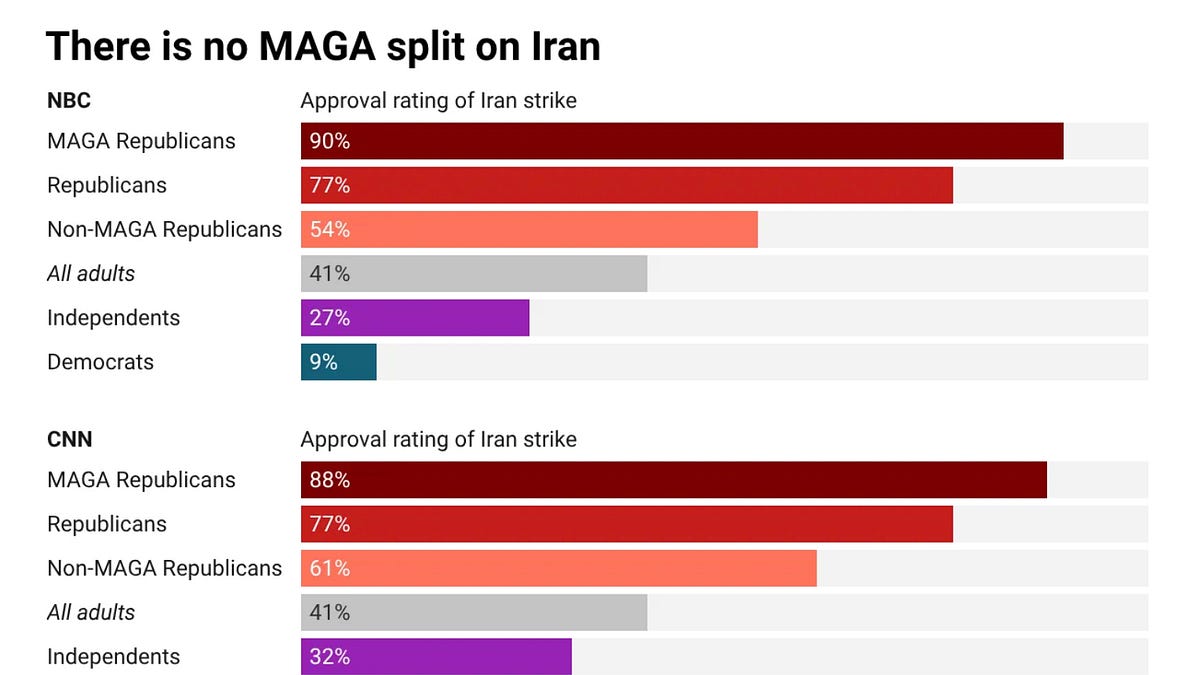
The Make America Great Again (MAGA) movement, often characterized by its fervent loyalty and unified front behind former President Donald Trump, is facing an unexpected internal challenge: a growing divide over the Israel-Gaza conflict. Historically, American conservatives and the evangelical right have been unwavering in their support for Israel, viewing it as a crucial ally and a nation with deep biblical significance. However, the escalating humanitarian crisis in Gaza and the subsequent global condemnation are creating fissures, even leading to a notable maga queen split as prominent female voices within the movement find themselves on opposing sides or facing unexpected repercussions for their views. This surprising divergence signals a potentially significant shift in conservative foreign policy perspectives and the very definition of loyalty within the MAGA sphere.
The Unfolding Cracks in a United Front
For decades, the alliance between the American evangelical right and Israel has been a cornerstone of U.S. foreign policy and domestic conservative politics. This relationship, deeply rooted in religious prophecy and shared geopolitical interests, has largely been immune to significant internal dissent. Yet, the current conflict in Gaza has begun to test these bonds in unprecedented ways. The sheer scale of destruction and civilian casualties has prompted a rare, albeit still nascent, criticism from segments of the evangelical community, a development that would have been unthinkable just a few years ago. This shift is not just among the broader conservative base; it's manifesting within the very heart of the MAGA movement, highlighting that even the staunchest supporters of former President Trump are not entirely monolithic in their views on every issue.
The increasing international scrutiny of Israel’s actions has resonated with some who, while maintaining a strong pro-American stance, are grappling with the moral and humanitarian implications. This internal wrestling is contributing to a fragmentation where previously united voices are now questioning long-held positions. The situation illuminates a complex dynamic where unwavering loyalty to the MAGA brand is being challenged by personal convictions and evolving understandings of global events. The impact of this evolving sentiment could reshape alliances and policy discussions for years to come.
High-Profile Divergence: The Case of Carrie Prejean Boller
One of the most vivid illustrations of this internal discord, and a clear example of a maga queen split, comes from the controversial actions and subsequent ousting of former Miss California and Miss USA runner-up, Carrie Prejean Boller. Boller, a figure known for her conservative views and previous support for Trump, found herself at the center of a storm when she challenged the prevailing narrative at a Trump-organized Religious Liberty Commission meeting. The incident, which occurred during a hearing on antisemitism, saw Boller, conspicuously wearing a Palestinian flag pin, directly questioning officials on Israel's alleged actions in Gaza and the commission's definition of antisemitism.
Her bold stance was met with swift and severe backlash. Boller was dramatically "booted" from the commission, with officials like Lieutenant Dan Patrick, the commission chair, asserting that she attempted to "hijack" the meeting for her "own personal and political agenda." A former Trump White House official went even further, stating, "These commissions exist to advance the President's agenda, not to serve as a personal Jew-hating platform." This incident is a potent symbol of the MAGA movement's intolerance for dissent on key issues, especially when it comes from within its own ranks. It underscores the high stakes of toeing the party line versus following one's personal convictions, particularly for visible figures like Boller. Her story exemplifies how challenging the consensus can lead to immediate and public ostracization within a movement that highly values ideological conformity. You can learn more about this specific incident in our detailed article: MAGA Turmoil: Beauty Queen Ousted Over Israel Stance.
The Broader Context: Why Now?
The question naturally arises: why is this split emerging now, particularly within a movement known for its discipline? Several factors contribute to this evolving landscape:
- Generational Shifts: Younger conservatives and evangelicals are increasingly exposed to diverse narratives through social media and alternative news sources. They may be more susceptible to humanitarian arguments and less bound by traditional geopolitical alignments.
- Information Overload: The constant stream of unfiltered images and reports from Gaza, often depicting immense suffering, makes it harder for some to maintain an uncritical stance on the conflict. Direct access to information bypasses traditional media gatekeepers.
- Humanitarian Concerns: The sheer scale of the humanitarian crisis in Gaza has moved many, leading them to prioritize human life and suffering over historical allegiances or political expediency.
- "America First" Reinterpretation: While Trump himself is a staunch supporter of Israel, the "America First" ethos he championed can, for some, translate into a questioning of extensive foreign aid and interventions, including to Israel. This perspective can subtly shift loyalties from traditional allies to a more isolationist or utilitarian view of international relations.
- Encouraging Independent Thought (Paradoxically): The MAGA movement, despite its demand for loyalty, also champions a degree of anti-establishment sentiment and independent thinking that, in some cases, can turn against established conservative foreign policy positions.
These underlying currents create a complex environment where figures like Carrie Prejean Boller feel compelled to speak out, even at personal and professional cost. This contrasts sharply with other prominent MAGA figures, such as activist Laura Loomer, who remains an unreserved and steadfast supporter of Trump, even when he accidentally revealed her private engagement news at a White House Christmas party. Loomer's public reaffirmation of her excitement and loyalty ("Thank you, President Trump!") highlights the spectrum of adherence within the movement. You can read more about that revelation here: Trump Leaks MAGA Supporter's Engagement: Loomer's Big News.
Navigating Loyalty and Dissent within MAGA
The evolving debate over Israel within the MAGA movement presents a significant challenge for its leadership and future direction. How does a movement built on strong, often singular, leadership manage internal dissent on a deeply divisive issue? The cases of figures like Carrie Prejean Boller highlight the precarious balance between unwavering loyalty to the Trump agenda and individual convictions. The implications extend beyond individual personalities:
- Redefining Conservative Foreign Policy: The traditional conservative stance on Israel may no longer be as monolithic as it once was. This could lead to a broader reevaluation of foreign aid, alliances, and interventionism within the Republican party.
- Media Scrutiny: Conservative media outlets face the delicate task of covering these internal debates without alienating either traditional pro-Israel segments or emerging voices of criticism within their audience.
- Impact on Elections: These internal divisions, particularly among key evangelical and conservative voting blocs, could have unforeseen consequences in future elections, potentially affecting turnout or splintering votes.
- The Future of Evangelical Support: While deeply embedded, the long-term, uncritical support of the evangelical right for Israel might be undergoing a slow but fundamental transformation, influenced by younger generations and humanitarian concerns.
For the MAGA movement, the Israel-Gaza conflict is more than just a foreign policy issue; it's a litmus test for the boundaries of internal dissent. The way leaders navigate this maga queen split and the broader conservative divide will reveal much about the movement's adaptability and its long-term ideological coherence. Will loyalty to a specific leader override evolving moral compasses, or will the movement allow for a more nuanced and diverse set of opinions on complex global issues?
Conclusion
The Israel-Gaza conflict has unveiled an unexpected and profound split within the MAGA movement, challenging its long-held image of ideological unity. The highly publicized ousting of Carrie Prejean Boller serves as a stark emblem of this internal struggle, showcasing how deeply held convictions, even within the loyalist base, can clash with established party lines. This "maga queen split" and the broader fracturing of opinion among conservatives and evangelicals over Israel's actions represent more than just isolated incidents; they signal a potentially significant reorientation of American conservative foreign policy and a reevaluation of traditional alliances. As the conflict continues to evolve, so too will the internal dynamics of the MAGA movement, with implications that could reshape the Republican party and the conservative landscape for years to come. The era of unquestioning solidarity on all fronts may be slowly, but surely, drawing to a close.